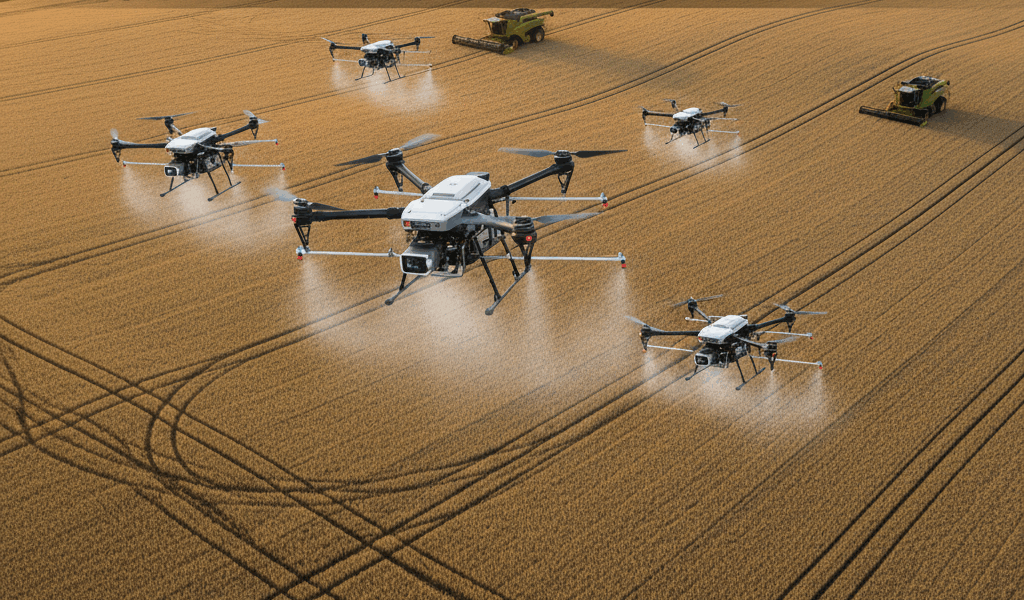
The Growing Demand for Agricultural Drone Services
Agricultural drone services have gotten complicated with all the noise flying around from equipment manufacturers, YouTube influencers, and guys at trade shows who seem to know everything. As someone who spent two full growing seasons building an ag drone operation from scratch, I learned everything there is to know about what actually makes money, what’s pure hype, and where the real opportunities sit for Part 107 pilots. Today, I will share it all with you.
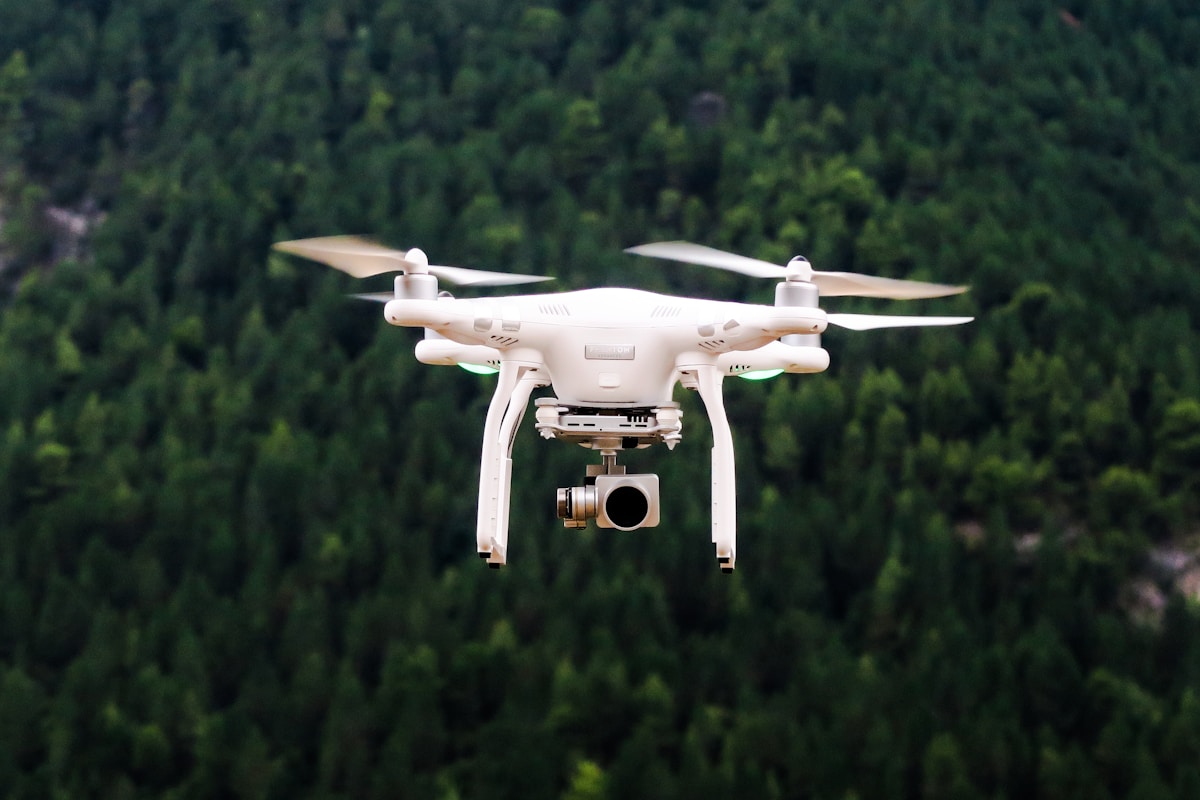
Bottom line up front: farmers and ag businesses are spending real money on drone services right now. It’s not theoretical and it’s not “coming soon.” They want improved crop yields, lower input costs, and they want data they can actually act on. If you’re a Part 107 pilot hunting for steady, repeat clients across an entire growing season, agriculture is one of the strongest niches you can pursue.
The ag drone world splits into two main service lanes — crop scouting and precision spraying. Each lane needs different gear, different certifications, and a different skill set. But both can generate solid revenue if you’re willing to put in the work learning the trade and building trust with farmers. Let me break down each one.
Crop Scouting with Multispectral Sensors
Probably should have led with this section, honestly, since crop scouting is the most accessible entry point for most pilots. The concept is simple: fly over fields, collect aerial imagery, and help farmers catch problems before those problems are visible to the naked eye. A standard RGB camera can get you started, but multispectral sensors are where the real money is.
Multispectral cameras capture data across multiple wavelengths of light, including near-infrared bands that healthy vegetation reflects strongly. When you run that data through indices like NDVI (Normalized Difference Vegetation Index), you generate prescription maps showing exactly where problems are hiding — nutrient deficiencies, irrigation failures, early pest damage. We’re talking days or even weeks before anyone walking the field would notice. I once showed a farmer a map revealing stress patterns in the northeast corner of his bean field that would’ve cost him thousands if he’d kept applying inputs uniformly. His expression told me everything I needed to know about the value of the service.
For sensors, the popular choices include the DJI P4 Multispectral, MicaSense RedEdge series, and Sentera sensors. Fair warning on cost: expect to invest $5,000 to $15,000 on sensor equipment alone, and that’s before compatible drone platforms and the processing software to turn raw data into usable deliverables. Not cheap. But the revenue potential matches the investment if you’re committed.
Spray Drone Capabilities and Regulations
Spray drones are a whole different animal. More complex, more heavily regulated, more expensive to get into. But the earning potential is significantly higher than scouting if you can crack the market in your area.
These specialized aircraft apply pesticides, herbicides, fertilizers, and even cover crops with better precision than ground equipment. They’re particularly valuable when terrain is rough, fields are too wet for tractors, or a farmer needs targeted application on a specific area rather than treating an entire field. Farmers understand efficiency — once they see a spray drone in action, the sell isn’t hard.
Here’s what catches a lot of people off guard: spray operations need way more paperwork than just a Part 107. You’ll need a pesticide applicator license from your state’s department of agriculture, because spraying falls under EPA guidelines regardless of how you’re applying the chemicals — drone, tractor, backpack sprayer, doesn’t matter. Some states have created specific UAS applicator categories. Others require the same licensing as ground-based applicators. Check your state’s requirements before you invest a single dollar in spray equipment. One sloppy application near a waterway can bury you.
On the hardware side, the DJI Agras series (T10, T30, T40) dominates the market right now. XAG makes solid agricultural drones too, and there are some domestic manufacturers worth considering. These aircraft typically carry between 2.6 and 10 gallons of liquid and can cover 20 to 50 acres per hour depending on your application rate. A quality spray drone system will run you $15,000 to $40,000, with ongoing expenses for batteries, replacement nozzles and seals, and the chemicals themselves. It all adds up faster than most guys expect.
Equipment and Drone Selection
That’s what makes equipment selection endearing to us drone operators — there’s no perfect answer that works for everyone. What you buy depends entirely on which services you’re offering and who your clients are.
For crop scouting, the DJI Mavic 3 Multispectral hits a sweet spot at around $6,000, bundling a standard camera with multispectral capability on a single airframe. It keeps your kit manageable and your learning curve reasonable. For larger contracts or when you need better positional accuracy, step up to the DJI Matrice 300 or 350 RTK platforms paired with dedicated sensors. More money, but agronomists and crop consultants can tell the difference in data quality.
Spray operations demand purpose-built agricultural drones. You absolutely cannot strap a sprayer to a photography drone and hope for the best. Look for aircraft with sealed electronics (ag chemicals will eat through exposed components in no time), corrosion-resistant frames, and redundant flight systems. Here’s my honest advice: start with a smaller capacity drone to learn the rhythms of agricultural spraying before dropping serious money on a high-capacity system. I’ve watched guys buy a top-tier T40 on day one and then realize they should’ve practiced on something more forgiving.
Regardless of your focus, invest in the supporting gear. Reliable ground control stations, at least four to six battery sets, and field charging solutions aren’t optional. Agricultural work happens during tight windows in the growing season. If your batteries are dead and your charger is sitting on your workbench at home, you just blew a client relationship. Equipment downtime during peak season is money walking out the door.
Pricing Agricultural Drone Services
Pricing across ag drone work varies a lot by region, crop type, and the services you’re delivering. Here’s a rough breakdown based on what I’ve seen and charged:
Crop scouting with basic RGB mapping typically commands $5 to $15 per acre. Add multispectral analysis with prescription mapping, and you’re looking at $10 to $25 per acre. For drone spraying, standard applications run $10 to $20 per acre. Specialty work or tough terrain pushes rates above that range. If a ground sprayer can’t access the area, you’ve got real pricing leverage — don’t be shy about using it.
One thing that took me way too long to figure out: push for seasonal contracts over per-flight pricing whenever you can. A typical deal might include weekly scouting flights throughout the growing season with spray applications scheduled as needed. The farmer gets predictable costs, you get predictable revenue, and nobody has to resell or rebuy the service every single week. It’s a better deal for both sides.
When you’re building your price sheet, make sure you’re accounting for everything beyond flight time. Travel time to rural clients can eat hours. Processing data and building reports takes real work. Equipment depreciates whether you’re flying or not. Insurance costs what it costs. And then there’s all the time on calls and emails with clients. Farmers often want more than raw data — they want to know what the imagery means for their operation. Decide up front whether you’ll provide agronomic recommendations yourself or partner with a local agronomist who handles that interpretation. Either approach works, but factor it into your rates.
Training and Certification Requirements
Your Part 107 gets you in the door, but agricultural drone work asks more of you than most commercial niches. You’ll want training in precision ag concepts, multispectral data interpretation, and — if you’re heading toward spray operations — chemical application techniques. Organizations like AUVSI, PrecisionHawk, and various university extension services offer courses built specifically for agricultural drone operators. They’re worth your time and money.
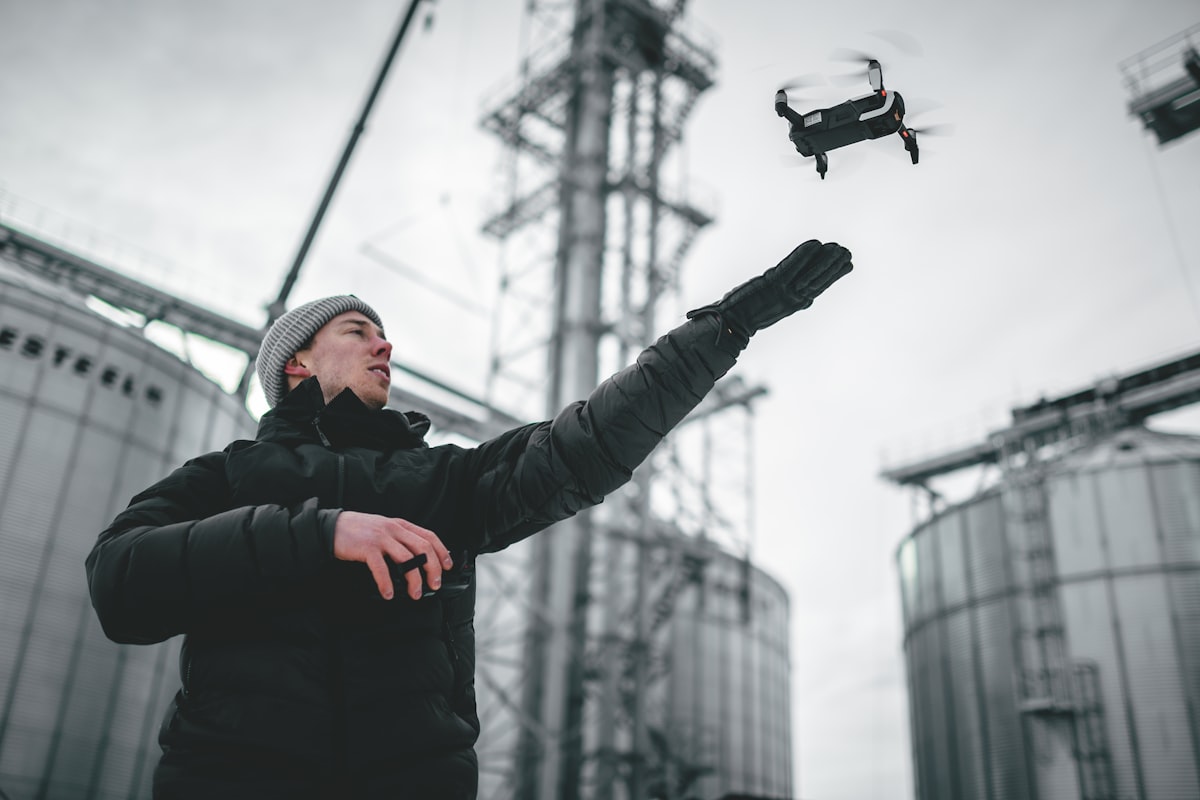
For spray operators, the state pesticide applicator licensing process means passing an exam on pesticide safety, environmental protection, and application techniques. Most states also require continuing education credits to maintain the license, so plan on budgeting time for that every year. And here’s something that catches some folks by surprise — several drone manufacturers won’t honor warranty claims unless you’ve completed their official training and certification on the specific spray platform. Don’t skip that step. A warranty denial on a $30,000 spray rig is not a lesson you want to learn the hard way.
Beyond the regulatory requirements, consider picking up certifications from ag tech companies and software providers. Credentials from Pix4D, DroneDeploy, Sentera, or DJI might seem like resume padding, but they matter more in agriculture than most drone niches. When a farmer or crop consultant is choosing between two operators, the one who’s invested in understanding their technology stack gets the nod. It signals you’ve taken the time to learn their world, not just yours.
Building Relationships with Farmers
This is the part that most drone pilots underestimate badly. You can have top-tier gear and a wall of certifications, but if farmers don’t trust you, none of it matters. Farmers are practical businesspeople who’ve been pitched a hundred “game-changing technologies” and watched most of them fizzle out. They need to see a clear return on investment before they’ll commit real dollars.
My approach was straightforward: offer a demo flight. Fly a portion of a prospect’s field, generate the output, and let the data speak for itself. A free or deeply discounted initial survey removes all the risk from their perspective and gives you a chance to show what the technology reveals. Most farmers I worked with signed a full-season contract after seeing what that first flight uncovered about their fields. It’s a powerful conversation shift — from “why should I pay for this” to “when can you come back.”
Get yourself to local farm bureau meetings, agricultural trade shows, and extension service events. These are where farmers spend time and where recommendations carry weight. Even better, partner with local agronomists, seed dealers, and farm equipment dealers who already have the trust you’re building toward. A referral from a farmer’s existing advisor carries ten times the weight of a cold call from an unknown drone operator.
Timing is everything in agriculture. Don’t wait until planting season to make introductions — by then, every farmer is too swamped to have a conversation. Build those relationships during the off-season so you’re already on their radar when spring arrives. Learn the crop calendars for your region inside and out. And when the growing season gets hectic, be responsive. A pest outbreak or irrigation problem won’t wait while you check your inbox two days later. The operator who picks up the phone first gets the work.
What ultimately builds a real agricultural drone business is consistency and reputation. Farming communities are tight-knit. Farmers talk to each other at the co-op, at the diner, at the elevator. One solid recommendation from a well-respected grower in your area will do more for your pipeline than any Google ad campaign. Show up when you said you would, deliver reports on time, and never overpromise what the technology can do. Earn it one farm at a time, and the referrals handle the growth for you.