Understanding Public Safety Uses of Unmanned Aerial Systems (UAS)
Drones in public safety has gotten complicated with all the opinions and misinformation flying around. As someone who’s followed this space closely and worked alongside first responders using UAS technology, I learned everything there is to know about how these systems are actually being used by the people who keep us safe. Today, I will share it all with you.
Emergency Response
First responders were some of the earliest adopters of drone tech, and honestly, it makes total sense. When you can get eyes on a dangerous scene in under a minute without putting anyone at risk, why wouldn’t you? In traffic accidents, a drone can give you a real-time overhead view of the whole situation — lane closures, vehicle positions, injured people — before the first ambulance even arrives on scene.
Fire departments have been especially creative with their UAS programs. They send drones equipped with thermal imaging cameras over active fires to spot hot spots that you just can’t see with the naked eye. That information helps fire crews plan their attack and avoid walking into areas that might flare up again. I’ve watched footage from departments that swear this tech has saved lives on their teams.
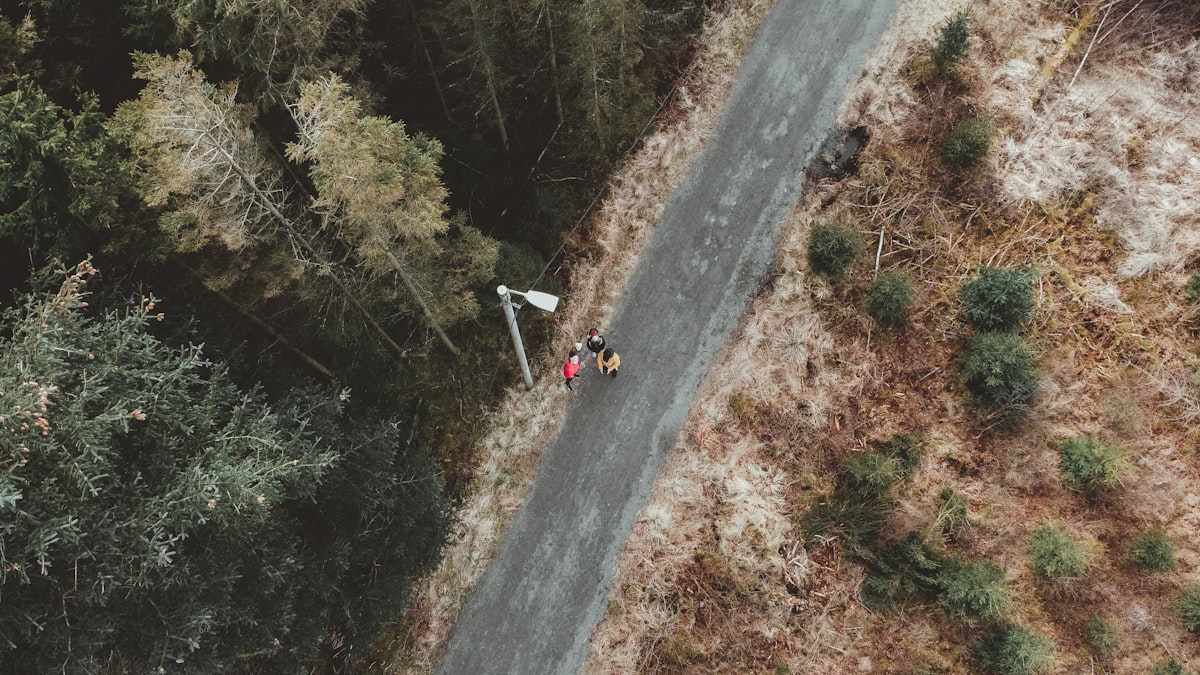
Search and rescue is where drones really shine, though. Probably should have led with this section, honestly. A single drone can cover a massive search area in a fraction of the time it takes ground teams on foot. They can fly over rough terrain, dense forests, mountain ridges — places where sending people would be slow and risky. The time savings alone have directly contributed to finding missing persons alive.
Law Enforcement
Police departments across the country are working drones into their daily operations. During large public events or protests, aerial observation gives commanders a bird’s-eye view of crowd movement and potential trouble spots. Real-time footage helps with crowd management and lets officers respond to incidents quicker.
Crime scene work is another area where UAS have made a real impact. Drones generate aerial photographs and detailed 3D models of crime scenes that would’ve taken hours to document manually. That documentation holds up in court too, which is a big deal for prosecutors building a case.
In high-stakes situations like hostage scenarios or active shooter events, drones provide a tactical edge that didn’t exist before. They can relay information about where suspects are positioned and where victims are located, all without tipping anyone off. That’s what makes UAS so endearing to us in the public safety community — they give responders options that minimize risk to everyone involved.
Disaster Management
After a hurricane, earthquake, or wildfire tears through an area, one of the first challenges is figuring out how bad the damage actually is. Disaster response teams now deploy drones almost immediately to capture detailed imagery of affected zones. That aerial perspective helps leaders decide where to send resources first and which areas need the most urgent attention.
Here’s something a lot of people don’t know: when communication networks go down during a disaster (and they almost always do), drones equipped with communication payloads can act as temporary relay stations. They basically hover in place and create a makeshift cell network. It’s not permanent, but it restores enough connectivity for responders to coordinate effectively. Pretty wild when you think about it.
Environmental Monitoring and Enforcement
Government agencies have started leaning on drones for environmental work too. They’re out there collecting data on deforestation, tracking pollution sources, and spotting illegal dump sites. A drone can cover in an hour what would take a team on the ground all day, and the data quality is often better because of the altitude and sensor capabilities.
Fisheries management is another one that surprised me. Agencies use drones to monitor for illegal fishing activity and make sure commercial operations are following the rules. The evidence they gather from the air holds up in enforcement proceedings, which has been a game-changer for compliance.
Technological Advancements
AI integration is pushing drone capabilities to a whole new level. Modern UAS can recognize objects, track moving targets, and run advanced analyses on the fly — literally. This takes a ton of work off the human operator’s plate and lets them focus on decision-making instead of manually scanning footage.
Battery technology keeps getting better too. Longer flight times mean drones can stay airborne for extended operations without needing to come back and recharge every twenty minutes. For a search and rescue mission or a disaster assessment, that extra flight time can make all the difference.
Privacy and Ethical Considerations
I’d be dishonest if I didn’t mention the privacy side of things. Putting cameras in the sky makes people nervous, and I get it. Public safety agencies have to walk a fine line between using drone capabilities effectively and respecting people’s right to privacy. Clear operational guidelines and transparency with the public aren’t optional here — they’re a must.
The ethical debate boils down to balance. Do the benefits of UAS in protecting communities outweigh the potential for misuse? Most people I’ve talked to say yes, but only if there’s proper oversight. Community engagement and thoughtful policy development go a long way toward keeping everyone on the same page.
Training and Implementation
You can’t just hand someone a drone controller and say “go save lives.” Proper training matters a lot. Operators need to understand the regulations, know their equipment inside and out, and have safety protocols drilled into their heads. Skipping this step is how agencies end up with crashed drones and bad headlines.
A lot of public safety organizations run joint training exercises now, which I think is fantastic. When fire, police, and emergency management teams all train together with UAS, they learn each other’s communication styles and procedures. That kind of coordination pays off big time during actual emergencies where every second counts.
Challenges and Future Prospects
It’s not perfect, of course. Bad weather can ground a drone just as fast as it can ground a helicopter. Regulations are still catching up to the technology, which creates gray areas that agencies have to navigate carefully. And budget constraints mean a lot of smaller departments are still waiting to get their first drone.
But the future looks promising. The technology is only getting better, and more agencies are recognizing the value of adding UAS to their toolkit. I’d expect to see drones become as standard as patrol cars and fire trucks within the next decade. We’re not quite there yet, but the trend line is clear.
Recommended Aviation Gear
David Clark H10-13.4 Aviation Headset – $376.95
The industry standard for aviation headsets.
Pilots Handbook of Aeronautical Knowledge – $25.42
Essential FAA handbook for every pilot.
As an Amazon Associate, we earn from qualifying purchases.