An In-Depth Look at Group 3 Unmanned Aircraft Systems (UAS)
Group 3 UAS has gotten complicated with all the jargon and classification debates flying around. As someone who has spent years working in the unmanned systems space, I learned everything there is to know about these mid-tier platforms. Today, I will share it all with you.
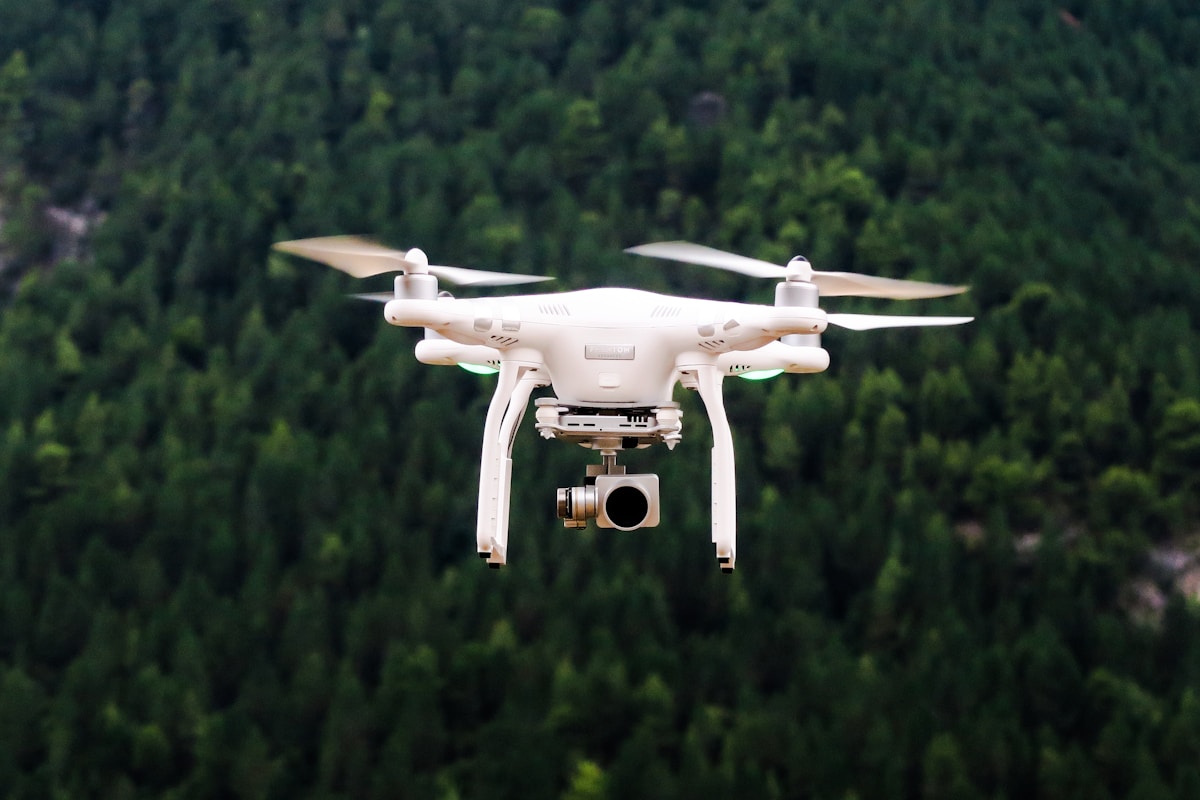
Understanding Group 3 UAS
The DoD breaks UAS into five groups — Group 1 through Group 5 — based on weight, how high they fly, and speed. Group 3 sits right in the middle of the pack. These aircraft weigh between 55 and 1,320 pounds, fly below 18,000 feet MSL, and generally stay under 250 knots.
What makes Group 3 interesting is that they fill a gap the smaller and larger platforms can’t quite cover. They’re big enough to carry serious sensor payloads and stay airborne for hours, but small enough that you don’t need a full runway or a massive support crew to get them into the air. That middle ground turns out to be incredibly useful for a whole range of missions.
Technical Specifications
Payload capacity is where Group 3 platforms really earn their keep. Most carry multi-sensor suites — electro-optical, infrared, and sometimes synthetic aperture radar all bolted onto the same airframe. That combination gives operators a pretty complete picture of whatever they’re looking at, day or night, rain or shine.
Beyond ISR sensors, these aircraft often carry communication relay packages. That’s a big deal in remote areas where ground-based comms can’t reach. Some of the more advanced variants can also handle electronic warfare missions, jamming enemy radar or disrupting communications. Probably should have led with this section, honestly, because the payload flexibility is really what sets Group 3 apart from the smaller groups.
Operational Applications
ISR is the bread and butter for Group 3 UAS. Their combination of endurance and sensor capability makes them ideal for covering large areas over extended periods. Military units rely on them heavily for monitoring enemy movements and feeding real-time intelligence back to commanders.
On the civilian side, the applications are just as compelling. Disaster response teams have started using Group 3 platforms to survey damaged areas and coordinate relief operations as they unfold. Environmental agencies fly them over wildlife habitats and forests to track health patterns across huge swaths of terrain. Infrastructure inspectors use them to cover hundreds of miles of pipeline, power lines, or rail corridors in a single sortie — work that would take ground crews weeks.
Handling and Launching
Most Group 3 UAS launch from either a pneumatic catapult or a short prepared runway, depending on the specific platform. Recovery typically uses either a net capture system or a conventional runway landing. The ground crew requirements are modest compared to manned aviation — usually a pilot, a sensor operator, and a few maintenance techs can keep operations running.
That’s what makes Group 3 endearing to us operational folks — the logistics footprint stays manageable. You can set up shop at a forward operating base or even operate off a ship deck without needing to bring half an airfield with you.
Key Models and Manufacturers
A handful of platforms dominate the Group 3 space. Textron’s Aerosonde has been a workhorse for the U.S. military, flying ISR missions reliably for years. Boeing’s Insitu ScanEagle is another standout, particularly popular with the Navy for its ability to launch and recover from ships at sea using the SkyHook system.
The big defense primes — Boeing, Lockheed Martin, General Atomics — all have active Group 3 programs. Competition between them keeps pushing performance forward, with each generation bringing better range, longer endurance, and more capable sensor packages.
Challenges and Limitations
Airspace integration remains the biggest headache for Group 3 operators, especially on the civilian side. These are real aircraft sharing the sky with manned aviation, and the air traffic management solutions needed to make that work safely are still catching up.
Cost is the other elephant in the room. Between the airframe itself, the ground control station, trained operators, and ongoing sensor maintenance, running a Group 3 program isn’t cheap. That said, the per-hour cost comparison against manned alternatives usually comes out favorable, and the industry is working hard to bring acquisition costs down as production scales up.
Future Prospects
Autonomy is the direction everything is heading. Advances in AI and machine learning are steadily reducing how much direct human input these aircraft need during a mission. That translates to faster reaction times and the ability to manage more complex operations with smaller crews.
On the regulatory front, efforts to streamline civilian airspace access are gaining momentum. Once the rules catch up to the technology, you’ll see Group 3 platforms show up in applications nobody has thought of yet. The versatility of these systems means the only real limit is what the regulatory environment allows.
Group 3 UAS hit a sweet spot between capability and practicality that neither the smaller nor the larger groups can match. That balance is exactly why they’ve become such a fixture across both military and civilian operations.
Recommended Aviation Gear
David Clark H10-13.4 Aviation Headset – $376.95
The industry standard for aviation headsets.
Pilots Handbook of Aeronautical Knowledge – $25.42
Essential FAA handbook for every pilot.
As an Amazon Associate, we earn from qualifying purchases.