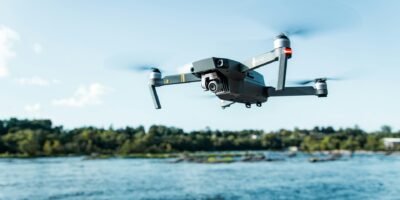
Passing the FAA Part 107 exam on your first attempt is absolutely achievable with the right preparation. This comprehensive guide walks you through everything you need to know, from registration to test day strategies that work.
The Part 107 Remote Pilot Certificate is your gateway to legal commercial drone operations in the United States. Whether you’re planning to start a drone photography business, work in inspections, or provide mapping services, this certification is mandatory.
Understanding the Part 107 Exam Structure
The FAA Part 107 exam consists of 60 multiple-choice questions. You have two hours to complete the test, and you need a score of 70% or higher to pass. That means correctly answering at least 42 questions.
Questions are drawn from a large pool and cover these main areas:
- Regulations (15-25% of questions)
- Airspace and Requirements (15-25%)
- Weather (11-16%)
- Loading and Performance (7-11%)
- Operations (35-45%)
The test is administered at FAA-approved Knowledge Testing Centers, typically PSI testing locations. You can find your nearest center through the FAA’s CATS system or the PSI website.
Registration and Scheduling
Before taking the exam, you must register with the FAA Integrated Airman Certification and Rating Application (IACRA) system. Create your account and obtain your FTN (FAA Tracking Number) – you’ll need this to schedule and take your test.
Here’s the step-by-step registration process:
- Visit iacra.faa.gov and create an account
- Complete the application for Remote Pilot Certificate
- Record your FTN number
- Schedule your exam at psiexams.com
- Pay the $175 testing fee
Test appointments are typically available within 1-2 weeks at most locations. Morning appointments are recommended when you’re mentally fresh.
Study Materials and Resources
The FAA provides free study materials that cover everything on the exam. Start with the Remote Pilot Study Guide (FAA-G-8082-22) available on the FAA website. This official guide should be your primary resource.
Additionally, review these FAA publications:
- 14 CFR Part 107 regulations
- Aeronautical Chart User’s Guide
- Aeronautical Information Manual (AIM)
- Advisory Circular 00-6 (Aviation Weather)
Supplement your studies with practice tests. Several websites offer free Part 107 practice exams with questions similar to the actual test. Take at least 10 practice tests before your exam date, aiming for consistent scores above 85%.
Airspace Knowledge Deep Dive
Airspace questions trip up many test-takers. Understanding the classification system is essential, not just for the exam but for safe operations.
Class G airspace is your primary operating environment. This uncontrolled airspace extends from the surface up to 700 or 1,200 feet AGL in most areas. No authorization is needed to fly in Class G, making it the simplest for drone operations.
Class B, C, D, and E airspace surrounding airports requires authorization. The LAANC system provides real-time authorization for flights up to 400 feet in most of these areas. Know the dimensions and weather requirements for each class.
For the exam, memorize these key details:
- Class B: Surface to 10,000 feet MSL, upside-down wedding cake shape
- Class C: Surface to 4,000 feet AGL, typically 5 and 10 nautical mile rings
- Class D: Surface to 2,500 feet AGL, typically 4 nautical mile radius
- Class E: Various configurations, often starts at 700 or 1,200 feet AGL
Study sectional charts thoroughly. You’ll need to interpret symbols, identify airspace boundaries, and locate obstacles. The legend on sectional charts explains every symbol you might encounter.
Weather Fundamentals
Weather questions on the Part 107 exam focus on conditions affecting safe drone flight. You don’t need to be a meteorologist, but understanding basic concepts is required.
Key weather topics include:
METAR Reports: These coded weather observations provide current conditions at airports. Learn to decode essential elements like wind direction and speed, visibility, cloud heights, temperature, and altimeter settings.
TAF Forecasts: Terminal Aerodrome Forecasts predict conditions 24-30 hours ahead. The format is similar to METARs with additional time-based groupings.
Pressure and Density Altitude: Understand how temperature and pressure affect aircraft performance. High density altitude reduces lift and battery efficiency – important for drone operations in hot or high-elevation conditions.
Wind Effects: Know how wind speed limits your operations and affects battery consumption. Most Part 107 operators establish personal minimums around 15-20 mph sustained winds.
Regulations You Must Know
Part 107 regulations define what you can and cannot do as a commercial drone pilot. These rules appear frequently on the exam and govern your daily operations.
Core operating limitations include:
- Maximum altitude of 400 feet AGL (or 400 feet above a structure)
- Maximum ground speed of 100 mph (87 knots)
- Daylight operations only (or civil twilight with anti-collision lighting)
- Visual line of sight requirement
- No flights over non-participants without specific conditions met
- No operations from moving vehicles (except over sparsely populated areas)
Pilot requirements are equally important:
- Must be at least 16 years old
- Must pass TSA background check
- Cannot operate while impaired
- Must make drone available for FAA inspection upon request
- Must report accidents causing serious injury or property damage over $500
Loading and Performance Calculations
While drones don’t require the complex weight and balance calculations of manned aircraft, you should understand basic performance principles.
Center of gravity affects flight stability. An improperly loaded drone (heavy payload mounted incorrectly) may become difficult or impossible to control. Always follow manufacturer payload guidelines.
Battery performance degrades in extreme temperatures. Cold batteries provide less capacity, reducing flight time. Hot conditions increase motor stress and can trigger thermal shutdowns.
For exam questions, focus on understanding how factors affect performance rather than memorizing specific numbers. If conditions reduce aircraft performance, you need longer takeoff distances, reduced payload capacity, or both.
Practical Operations Knowledge
Operations questions test your decision-making ability in real-world scenarios. These questions often present situations where you must choose the safest course of action.
Pre-flight inspection is mandatory before every flight. Check the airframe for damage, verify battery charge levels, ensure propellers are secure, and test control inputs. Document your inspections in a logbook.
Emergency procedures should be practiced regularly. Know how your drone behaves during signal loss – does it return to home, land in place, or hover? Configure failsafe settings appropriately for your operating environment.
Crew resource management applies to drone operations. If using visual observers, establish clear communication protocols. Brief all crew members on emergency procedures before beginning operations.
Test Day Strategies
Arrive at the testing center 30 minutes early. Bring two forms of identification – one with a photo. You cannot bring phones, smartwatches, or study materials into the testing room.
During the exam:
- Read each question completely before looking at answers
- Eliminate obviously wrong answers first
- Watch for absolute words like “always” or “never” – these answers are often incorrect
- Mark difficult questions for review and move on
- Use all available time – don’t rush to finish
For chart questions, take your time. The testing system provides a zoom function. Identify the location mentioned in the question, then systematically gather the requested information.
After You Pass
Once you pass the exam, your temporary certificate is usually available within 24-48 hours through IACRA. The permanent plastic card arrives by mail in 6-8 weeks.
Your Part 107 certificate is valid for 24 calendar months. To maintain currency, you must complete recurrent training and pass an online knowledge test before expiration. The FAA now offers free online recurrent testing through the CATS system.
With your certificate in hand, you’re legally authorized to conduct commercial drone operations. Consider liability insurance, join professional associations like AUVSI, and continue building skills through practice and additional training.
Final Recommendations
Plan for 20-40 hours of study time spread over 2-4 weeks. Cramming rarely works for this exam. Consistent daily study of 1-2 hours produces better results than marathon sessions.
Join online communities of Part 107 candidates and certificate holders. Forums and social media groups often share current exam experiences and helpful study tips.
Take the exam seriously but don’t over-stress. With proper preparation, first-time pass rates exceed 80%. The knowledge you gain isn’t just for passing a test – it makes you a safer, more capable drone pilot.