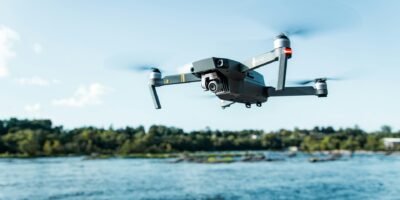
Best Beginner Drones: A Straightforward Guide
Picking a first drone has gotten complicated with all the options flooding the market right now. As someone who started with a cheap quad that barely stayed airborne, I learned everything there is to know about what makes a good beginner drone. Today, I will share it all with you.

Why Start with a Beginner Drone?
Here’s the thing — you wouldn’t learn to drive in a Ferrari. Same logic applies to drones. Beginner models are built with simplicity at the core. They’ve got features that help you learn without destroying the drone (or your neighbor’s window) in the process. Simple controls, propeller guards, and wallet-friendly pricing make them the right call when you’re just getting started. Trust me, you’ll crash. It’s just part of learning. Better to crash a $40 drone than a $1,500 one.
Important Features to Consider
- Ease of Control: Look for drones with built-in stabilization and responsive controls. You want something that doesn’t fight you in the air. If you’re constantly battling the sticks just to hover, you won’t enjoy the experience and you definitely won’t learn much.
- Durability: You will hit things. Walls, trees, the ground — sometimes all three in one flight. A solid, crash-resistant build means your drone survives long enough for you to actually get good at flying it.
- Flight Time: Most beginner drones give you somewhere between 5 and 15 minutes per battery. That goes by faster than you’d think. Look for models that make swapping batteries easy so you can keep flying without a long break.
- Camera Quality: Not every beginner needs a camera drone. But if aerial photos or video interest you, some entry-level models do come with decent cameras. Just figure out what you actually want to use it for before paying extra for a feature you won’t touch.
- Price: Keep it affordable. There’s no reason to drop serious money when you’re learning. You’ll know when you’re ready to upgrade — and you’ll have a much better idea of what features matter to you by then.
Top Drones for Beginners
DJI Tello
The Tello is probably the best all-around starter drone out there right now. It’s stable, easy to control, and surprisingly capable for its size. The 720p camera is decent for casual shots and short video clips. Battery life sits around 13 minutes, which is enough to get comfortable with the controls before needing to land. One cool bonus: it has a programming interface, so if you’re into coding, you can actually program flight patterns. At this price point, it’s hard to beat.
Potensic A20
This is a tiny little thing, and it’s perfect for flying indoors. If you don’t have easy access to an open field, the A20 lets you practice in your living room (just move the cat first). Altitude hold keeps it hovering at a set height, and headless mode means you don’t have to worry about orientation — which is honestly one of the trickiest things for new pilots. It’s dirt cheap too, so you won’t feel bad if it takes a few hits.
Holy Stone HS170
Probably should have led with this section if you want pure fun, honestly. The HS170, also called the Predator Mini, has a loyal following among beginners and I get why. The controls are simple and intuitive. The build is rugged — this drone handles bumps well. It works indoors and outdoors, with a range around 30 to 50 meters. Flight time is on the shorter side at 6-8 minutes, but the wind resistance is surprisingly good for something this small and cheap.
Syma X5C
The X5C has been around for a while, and that’s actually a good thing — it means there’s a ton of replacement parts and community support available. Flight is smooth and balanced. It comes with a 2MP camera for basic photos and video. Seven minutes of flight time isn’t amazing, but the batteries swap out easily and they’re cheap to buy in packs. The larger size gives it more stability outdoors compared to the micro drones on this list.
Snaptain S5C
That’s what makes the S5C endearing to us hobbyists — it packs a lot of features into an affordable package. 720p camera with wifi connectivity for real-time video to your phone. One-key takeoff and landing makes your first flights less stressful. There’s even voice control, which is a fun gimmick. Altitude hold, headless mode, and 360-degree flips round out the feature set. It gives you room to grow without overwhelming you on day one.
Navigating Drone Regulations
Before you take your new drone outside, take ten minutes to look up your local rules. I know, boring. But it matters. Most countries have guidelines around drone use that cover safety, privacy, and airspace. Some places require registration for drones above a certain weight. The FAA in the US, for example, requires registration for anything over 250 grams. Ignorance isn’t an excuse that holds up, so just check. A quick search for your country’s drone rules will save you potential headaches (and fines) down the road.
Helpful Tips for First-Time Flyers
- Find a big, open space for your first flights. A park or empty field works great. Stay away from crowds, buildings, and anything you’d rather not crash into.
- Master the basics — hovering, turning, moving forward and back — before you try anything fancy. Crawl before you walk.
- YouTube tutorials and drone forums are goldmines of information. Someone has already made every mistake you’re about to make, and most of them wrote about it.
- Keep an eye on battery levels. Most beginner drones don’t have great low-battery warnings, and a dead battery at altitude means an uncontrolled drop. Not fun.
- Propeller guards are worth using while you learn. They add a tiny bit of weight but save you from replacing props constantly. I flew with guards on for my first month and I’m glad I did.
Beginner drones are a genuinely fun way to get into aerial tech without risking a big investment. Pick one that fits your budget, find some open space, and start flying. You’ll be surprised how quickly you improve once you put in the stick time. And when you do upgrade down the line, you’ll actually know what you want out of your next machine.
Recommended Aviation Gear
David Clark H10-13.4 Aviation Headset – $376.95
The industry standard for aviation headsets.
Pilots Handbook of Aeronautical Knowledge – $25.42
Essential FAA handbook for every pilot.
As an Amazon Associate, we earn from qualifying purchases.