
Small UAS stands for Small Unmanned Aircraft System. It covers drones weighing under 55 pounds, which includes nearly every consumer and most commercial drones on the market. The FAA uses this classification to determine which rules apply to different aircraft.
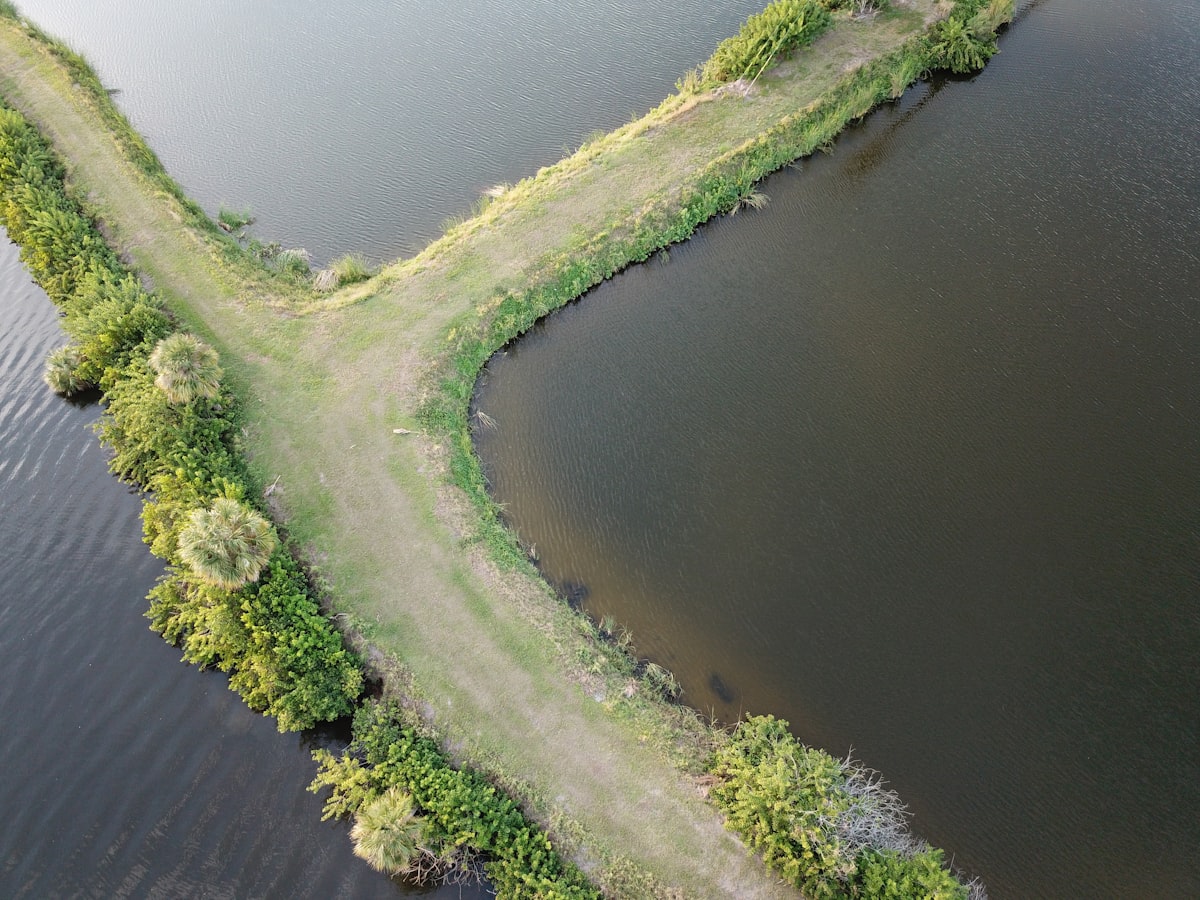
The 55-pound limit includes everything at takeoff: the drone itself, batteries, camera, and any other equipment attached. A DJI Mavic weighs about 2 pounds. A DJI Matrice 300 tops out around 20 pounds fully loaded. Both fall into the sUAS category.
Why the Classification Matters
Part 107 rules govern sUAS operations. If your drone weighs more than 55 pounds, you need a different type of certification and airworthiness approval. Most commercial operators never have to worry about this since their equipment stays well under the limit.
What Counts as the System
UAS refers to more than just the drone. The full system includes the aircraft, controller, any relay equipment, ground stations, and the communications links between them. When the FAA talks about certifying a UAS, they mean evaluating how all these pieces work together.
Common sUAS Applications
Most commercial drone work happens with sUAS: real estate photography, crop monitoring, roof inspections, construction surveys, and film production. The small size makes them practical for everyday jobs without special permits or infrastructure.
Larger UAS operations exist but remain rare. Military drones, high-altitude surveillance aircraft, and cargo delivery systems often exceed sUAS limits and operate under different rules entirely.




Leave a Reply