
A UAS pilot flies drones for work. Unlike airplane pilots who sit in cockpits, UAS pilots control their aircraft from the ground using a controller and sometimes a laptop or tablet. The job requires knowing both flight skills and the technology that keeps drones in the air.
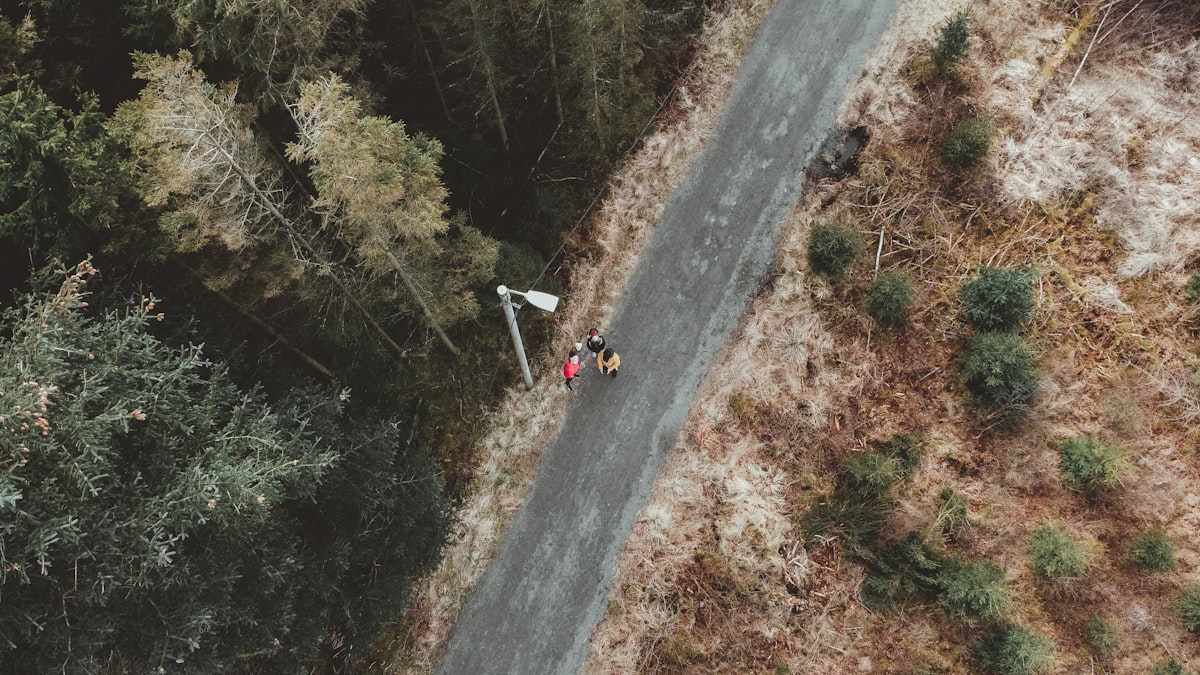
Drone pilots work across many industries. Real estate agents hire them to shoot aerial footage of properties. Farmers use their services to check on crops across large fields. Construction companies bring them in to survey job sites. Power companies send them to inspect transmission lines that would otherwise require expensive helicopter flights or risky climbing.
The work varies by industry. In film and TV production, pilots focus on smooth camera movements and creative angles. Agricultural pilots need to understand crop health indicators and fly precise grid patterns. Inspection pilots often work with thermal cameras to spot problems invisible to the naked eye.
Getting started as a UAS pilot in the United States means passing the FAA Part 107 exam. The test covers airspace rules, weather, how aircraft loading affects flight, and what to do when something goes wrong. Most people study for a few weeks before taking the test at a testing center.
Beyond the certificate, successful pilots develop practical flying skills through practice. They learn to handle their aircraft in wind, navigate around obstacles, and maintain situational awareness when they cannot see their drone directly. Many start with smaller drones before moving to more expensive commercial equipment.
Job opportunities range from full-time positions at engineering firms to freelance work for local businesses. Some pilots specialize in one industry while others offer general services. The field keeps growing as more businesses realize that drones can do work faster and cheaper than traditional methods.


Leave a Reply